







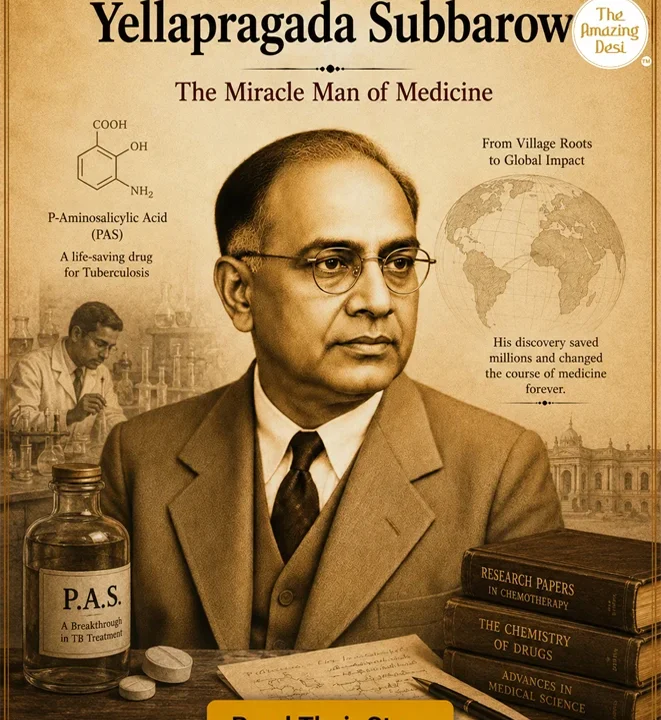
Yellapragada Subbarow is probably the most important scientist you’ve never heard of. Born in 1895 in Andhra Pradesh, his life was a series of “No’s” that he turned into “Yes’s.” He grew up in poverty, lost his father early, and struggled through medical school. Because he wore a Khadi surgical gown to protest British rule, his British professors were offended. They gave him a “lesser” degree (LMS) instead of an MBBS, which blocked him from high-level medical jobs in India.
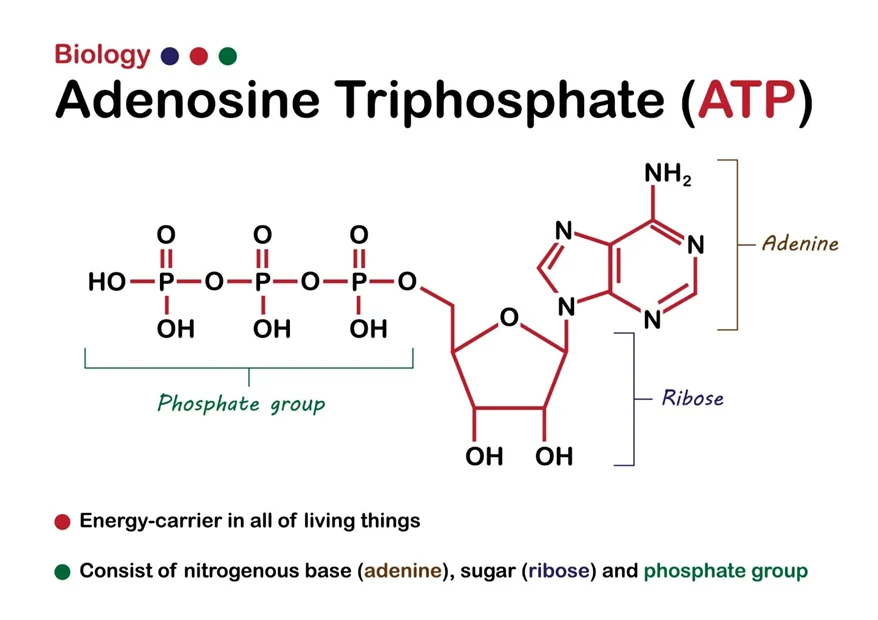
Instead of quitting, Subbarow moved to the US with nothing but a dream. His early years at Harvard were brutal. He worked as a night porter, cleaning hospital floors to pay his tuition, often living on scraps and sleeping on the lab floor to save time. He overcame the bias of being a “poor immigrant” through sheer, undeniable genius. He discovered ATP (Adenosine Triphosphate), the molecule that provides energy to every living cell. If your heart is beating right now, it’s because of the chemistry Subbarow mapped out.
His path to glory didn’t stop there. He went on to develop Folic Acid, which has saved millions of babies from birth defects, and Methotrexate, the world’s first effective chemotherapy drug for leukaemia. He also discovered Aureomycin, the first tetracycline antibiotic, which was more powerful than penicillin. Despite these massive breakthroughs, he stayed in the background, never seeking fame or the Nobel Prize he clearly deserved.
The Full Story
Here’s the “Devil’s Advocate” check: In the scientific community, Subbarow is sometimes overshadowed because he co-discovered ATP with Cyrus Fiske, and Karl Lohmann discovered it independently around the same time. However, Subbarow’s later work in pharmaceuticals—literally creating the foundation for modern chemotherapy—is undisputed. He died at 53, likely worn out by decades of overwork and the physical toll of his early years of poverty. He was the “Unsung Hero” who gave the world the medicine it takes for granted today.